Our Appetite for Media Enjoyment is Breaking News and Hurting Democracy
Most people believe they choose what news to consume. But what if the news is choosing them instead?
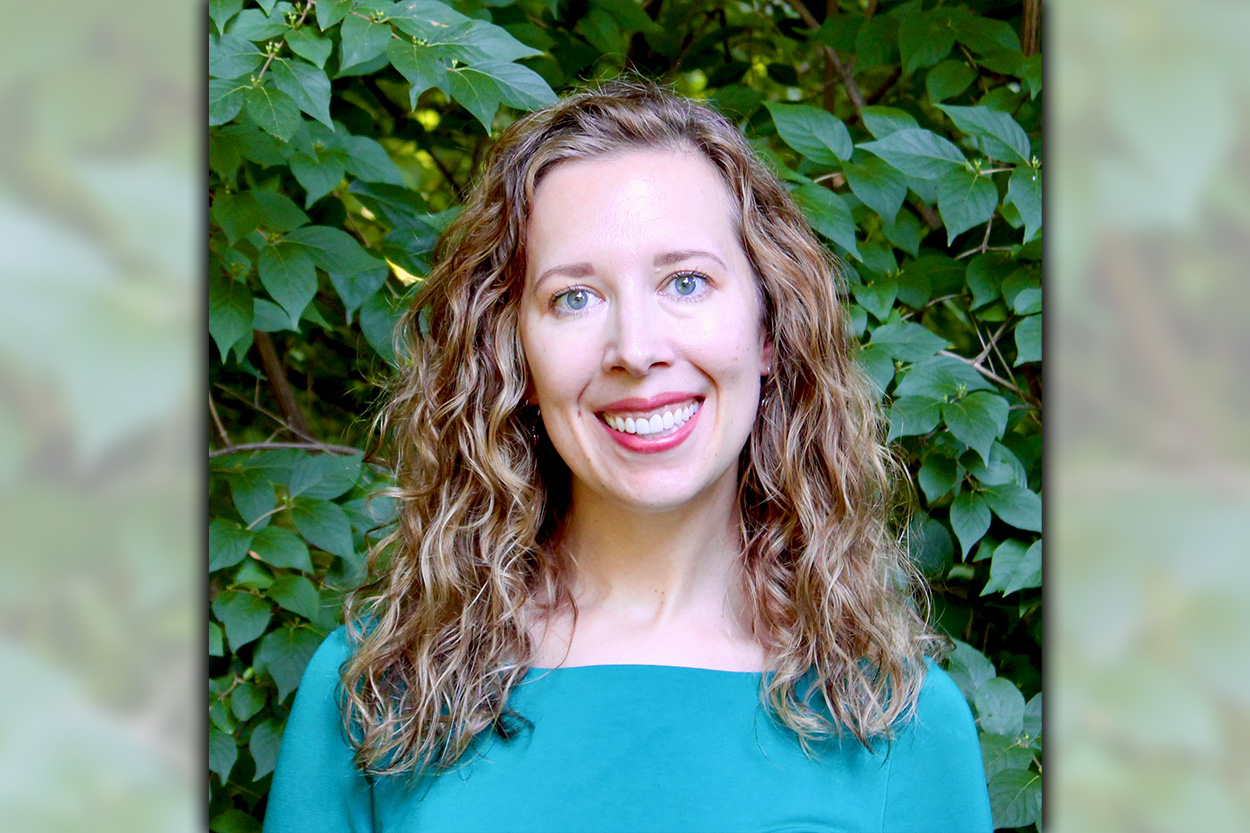
From social media feeds to YouTube personalities and endless scrolling, Americans are consuming more information than ever before. Yet despite that constant stream of content, many people are less informed about the issues shaping their communities and democracy. According to Dr. Jennifer Hoewe, an associate professor of communication and courtesy professor of political science at Purdue University, the way news is packaged, and the reasons people consume it, are fundamentally changing how citizens think, trust and participate in civic life.
Her conclusion is straightforward: enjoyment has become one of the most powerful forces shaping public attitudes.
"Enjoyment is 'breaking news' in that people have decided it's important," Hoewe says, "but also in that it is hurting news and democracy."
Hoewe attributes this shift to dramatic changes in the media landscape over the past few decades. As consumers moved from newspapers and traditional broadcasts to cable news and to social media and digital platforms, news organizations and content creators increasingly began competing for one thing: attention.
"So much more content is packaged to keep people's attention, to get their eyeballs on a screen," she explains. "Both news organizations and content creators want to maintain that attention because it's what makes money and keeps them in business."
That pursuit of attention comes with consequences. Difficult news often evokes uncomfortable emotions or challenges deeply held beliefs. Rather than wrestle with those feelings, many people gravitate toward content that is more enjoyable, even when it offers less context or nuance.
"There's a conflation of trust with enjoyment: the more we enjoy getting content from a particular person, the more we start to trust the person who's delivering that content, even if they don’t deserve that trust based on the quality of the information they’re presenting," Hoewe said.
This leads to a dangerous trend where people may actively distrust high-quality, meticulously researched information simply because they do not like it. If a piece of journalism challenges a pre-existing belief or delivers unwelcome news, it may be rejected entirely.
This pattern also fuels what Hoewe calls the "news finds me" mindset — the belief that if news is important enough, it will naturally appear in someone's social media feed without any effort to seek it out.
While convenient, relying on algorithms to stay informed carries significant risks. The information that reaches users is often incomplete, stripped of important context or tailored to reinforce existing viewpoints.
"There’s often not enough context provided in information that you find purely incidentally, " Hoewe warns. " You're not given enough detail so that you can rightfully say, 'I feel like I understand this well enough to now go vote or go make an important decision based on the information I've gotten.'"
The problem, she says, extends beyond algorithms. Many of today's most influential digital creators and news personalities operate outside the ethical standards that have traditionally guided journalists, instead relying on entertainment and enjoyment to draw and maintain audiences.
“For a democracy to flourish, news organizations must package information explicitly to help citizens make the best possible civic decisions,” she says. “In a lot of cases, content creators are thinking about getting your attention, not about informing the public or keeping democracy flourishing.”
That doesn't mean news has to be boring.
Instead, Hoewe argues that media creators should balance entertainment with what she calls "appreciation"—encouraging audiences to engage with complex issues, even when they're uncomfortable, and find fulfillment in the experience of knowing more.
“Rather than just wanting to enjoy our news use, we have to want to be better people. We have to want to be more informed. We have to want to know the world better,” she says. “Creators can sometimes present news in a way that's enjoyable, but they must also include nuance and detail and make sure they are doing their absolute best to inform the public.”
For consumers looking to reclaim control over their media habits, Hoewe shares three helpful habits.
The first is practicing metacognition, thinking about your own thinking, when consuming information.
"This introspective process allows consumers to understand why they experience specific emotions or reactions and spot content designed to manipulate their impulses," she says.
The second is intellectual humility.
"We need to acknowledge that we can be wrong," Hoewe says. As facts change and new information emerges, being willing to reconsider our perspectives helps us make better decisions.
Finally, she encourages mindfulness and emotional regulation when consuming news.
"When we approach news from a more present-focused, emotionally neutral standpoint, we can do a better job of processing news without having those really strong, less thoughtful, automatic responses," she explains.
Dr. Hoewe hopes that understanding the mechanisms behind media selections will make citizens better equipped to become active news consumers who choose to give their valuable attention to the news creators who truly deserve it.
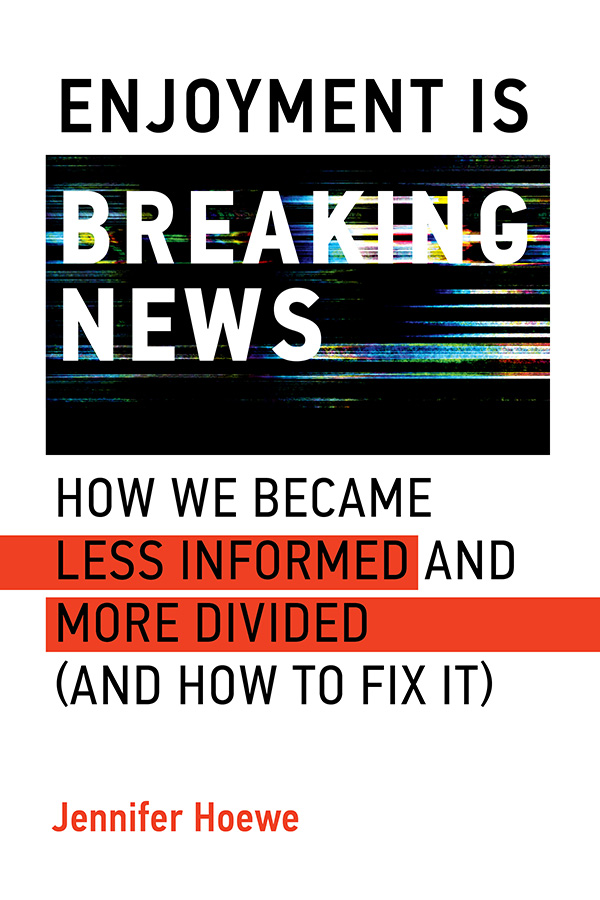
Her new book, Enjoyment Is Breaking News: How We Became Less Informed and More Divided (and How to Fix It) is scheduled for release this fall. Hoewe addresses how the news environment has changed and facilitated the desire for enjoyment among consumers, leading to numerous problematic outcomes. She then presents a path forward that can lead toward improved civic participation and personal well-being.
"Consumers have to want change in order for that change to happen," she emphasizes. "And the first step of making a change happen is knowing what's possible."